
First virtual fencing company gets green light to sell system in SA
The gates have opened for South Australian beef and dairy producers to use virtual fencing technology, with the state government approving the Halter P5 system for sale and lease within the state.
Virtual fencing was legalised in SA late last year through an amendment to animal welfare regulations, which allowed manufacturers to apply to the state government for approval of virtual fencing technology and systems from early 2026.
Virtual fencing systems can be used for cattle management only under the new regulations, with applications considered against stringent approval criteria and conditions relating to animal welfare.
Under a virtual fencing system, cows are fitted with collars that produce an electric stimulus to contain them to an assigned area. The collars deliver sound cues when animals near a virtual fence prior to the electric stimulus being delivered.
The stimulus is significantly weaker than the shock from a standard electric fence.
Trials, including in SA, have shown the technology can support more efficient animal and pasture management through selective grazing, reduce fencing costs and protect native vegetation.
Halter strategic relations lead David Nation said the approval of the company's system was a big step forward for farmers and Halter.
"We're grateful to the government for listening to farmers and opening the way for virtual fencing in the state," he said.
"South Australia is a really important state for both beef and dairy farming. We're seeing strong interest from farmers looking for practical ways to grow and harvest more grass, increase beef production, and better manage dairy businesses."
Key points of the approval criteria include minimum age requirements for animals to wear a virtual fencing collar, as well as training for the animals and the user.
The minimum ages in SA will be eight months old for beef and 12 months old for dairy.
Primary Industries Minister Clare Scriven said Halter was the first manufacturer to submit an application since the regulations had been in place.
"We have listened to the livestock industry who have been calling for access to this innovative technology," she said.
"Virtual fencing offers the potential for improved pasture utilisation, reduced infrastructure costs and greater protection of environmentally sensitive areas.
"It also allows for improved livestock surveillance with producers able to check on the wellbeing of their cattle and pasture conditions through real-time monitoring."
Further Information
July 16 2026 | Stock Journal
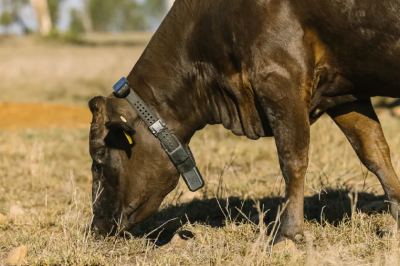
The Halter P5 virtual fencing system has been approved for sale and lease in South Australia. Picture Halter